Los Angeles success story
The Trees Shed Year-Round. Spotless Kept Water Moving Across a Sloped Property.
A Los Angeles homeowner worried that year-round leaf debris and the slope around the house could turn blocked gutters, downspouts, and drains into water damage. Spotless Rain Gutter Cleaning treated the system as one connected path.
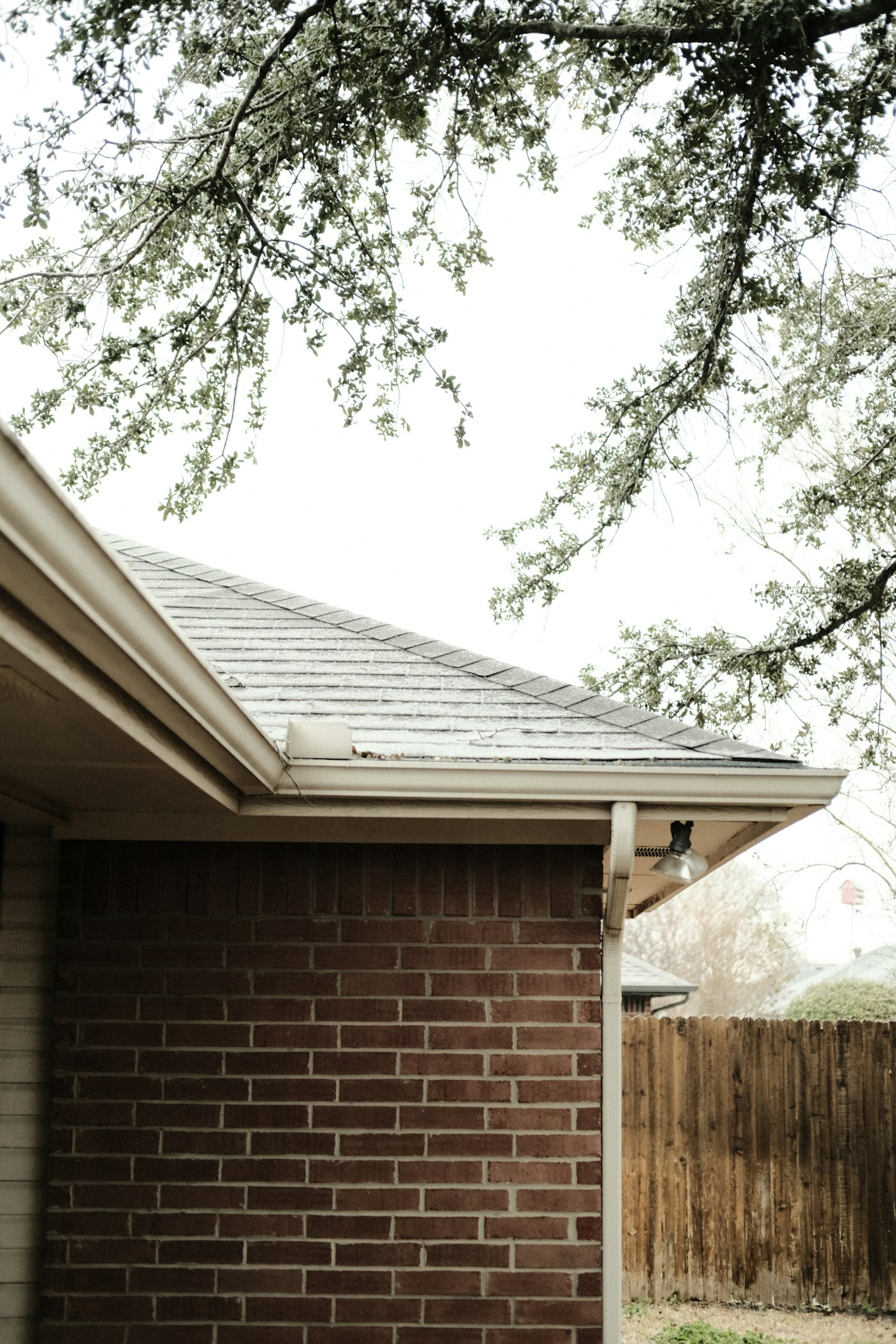
The risk did not end at the roof edge
The homeowner described two features that changed an ordinary maintenance job: many trees shedding leaves throughout the year and ground that slopes around the house. Together, they made the route taken by rainwater especially important. A gutter could be clean while a downspout or ground drain farther along the path was restricted, leaving water to collect where the property made it least forgiving.
That was the practical pain point behind the review. The homeowner was not chasing a prettier roofline. They were maintaining gutters, downspouts, and drains because a blockage anywhere in that chain could increase the chance of water moving toward the house or another vulnerable area. On sloped ground, where water goes after leaving the roof deserves as much attention as how it enters the gutter.
Year-round leaf drop changed the maintenance schedule
Los Angeles homeowners often think about gutters when rain enters the forecast. This property had a different clock. Trees were shedding throughout the year, so the system could begin filling again long before the next rainy-season reminder. Waiting for visible overflow would mean learning about the blockage when water was already testing it.
The review says the homeowner plans to keep using Spotless, which makes sense for a recurring condition. One thorough cleaning solves the buildup that exists that day. It cannot stop the trees from producing the next layer. The more durable solution is a maintenance rhythm based on the property itself—its canopy, roof shape, outlets, and drainage—not a universal calendar.
Spotless paid attention to the whole request
The homeowner praised the team for being extremely thorough and paying attention to special requests. That second detail matters. A property with unusual slopes, drain connections, or known trouble spots cannot always be handled well by following the same checklist at every house. The homeowner needs to be able to point out where water has pooled, where leaves return fastest, or which outlet has caused concern before.
Spotless appears to have listened and completed the work with those concerns in mind. The review also describes the team as punctual, professional, dedicated, and fairly priced. Those qualities do not prove that every drainage problem can be solved through cleaning, but they do describe a service experience in which the homeowner felt the important parts of the property had been taken seriously.
A clean gutter is only one checkpoint
For this kind of property, I would want the cleaning to follow water from the roof edge through each outlet and downspout, then confirm that the accessible discharge area is open. If a downspout connects to a buried drain, the cleaner should explain where their scope ends. A clear vertical downspout does not prove that an underground line is flowing correctly.
The review identifies gutters, downspouts, and drains as crucial, but it does not say that Spotless repaired an underground drainage system or corrected the grading. We should not turn a positive cleaning review into a broader claim. What the company did solve was the recurring maintenance burden within the reviewed scope, and it did so thoroughly enough that the homeowner intends to continue the relationship.
What I would ask before booking a similar property
I would explain that the home sits on sloped ground and identify every place where water has pooled, overflowed, or discharged too close to the structure. I would mention how many trees overhang the roof, whether the downspouts connect to surface extensions or buried drains, and any areas that need special access. Those details help the company quote the actual job instead of a generic length of gutter.
After cleaning, I would ask what was removed, whether each accessible downspout was checked for flow, and whether the crew noticed standing water, loose sections, or drainage beyond its service scope. Spotless reviewers also mention receiving before-and-after photos, which can be especially useful when the work is too high to inspect safely from the ground. The goal is not just proof that someone climbed a ladder. It is a clearer understanding of the path the next rain will take.
What to carry into your own quote request
- ✓Tree cover and ground slope can make gutters, downspouts, and drains parts of one connected water-management problem.
- ✓Year-round leaf drop may require a property-specific maintenance schedule instead of one annual cleaning.
- ✓The reviewer praised Spotless for thorough work, punctuality, fair pricing, and attention to special requests.
- ✓Clarify whether service includes downspout flow checks and where responsibility ends when downspouts connect to buried drains.
- ✓Before-and-after photos can help homeowners verify elevated work without climbing a ladder.
Questions answered
Common questions about this topic
Do sloped properties need gutter cleaning more often?
Slope alone does not determine cleaning frequency. Nearby trees, roof design, gutter capacity, and how quickly debris returns matter more. Slope does make it especially important to understand where discharged water travels after leaving the downspout.
Does gutter cleaning include underground drains?
Usually not unless the estimate specifically says so. Ask whether the company checks gutter outlets and downspouts, and whether a plumber or drainage specialist is needed if an accessible downspout flows into a blocked buried line.
How can I verify gutters were cleaned if they are too high to see?
Ask for before-and-after photos and confirmation that accessible downspouts were checked for flow. Photos document visible debris removal, while a flow check helps confirm that water can leave the gutter system.
Can clean gutters prevent all water damage on a sloped lot?
No. Cleaning can reduce overflow caused by debris, but it cannot correct poor grading, failed underground drains, inadequate gutter capacity, foundation issues, or runoff arriving from elsewhere on the property.