Marina del Rey success story
A Prior Installer Missed Part of the Roof. Gutters by Ruby Finished the Drainage Path.
One roof area had been left without the drainage it needed. Gutters by Ruby added a diverter, gutter, and downspout, then thoroughly cleaned the existing gutter and drainage system.
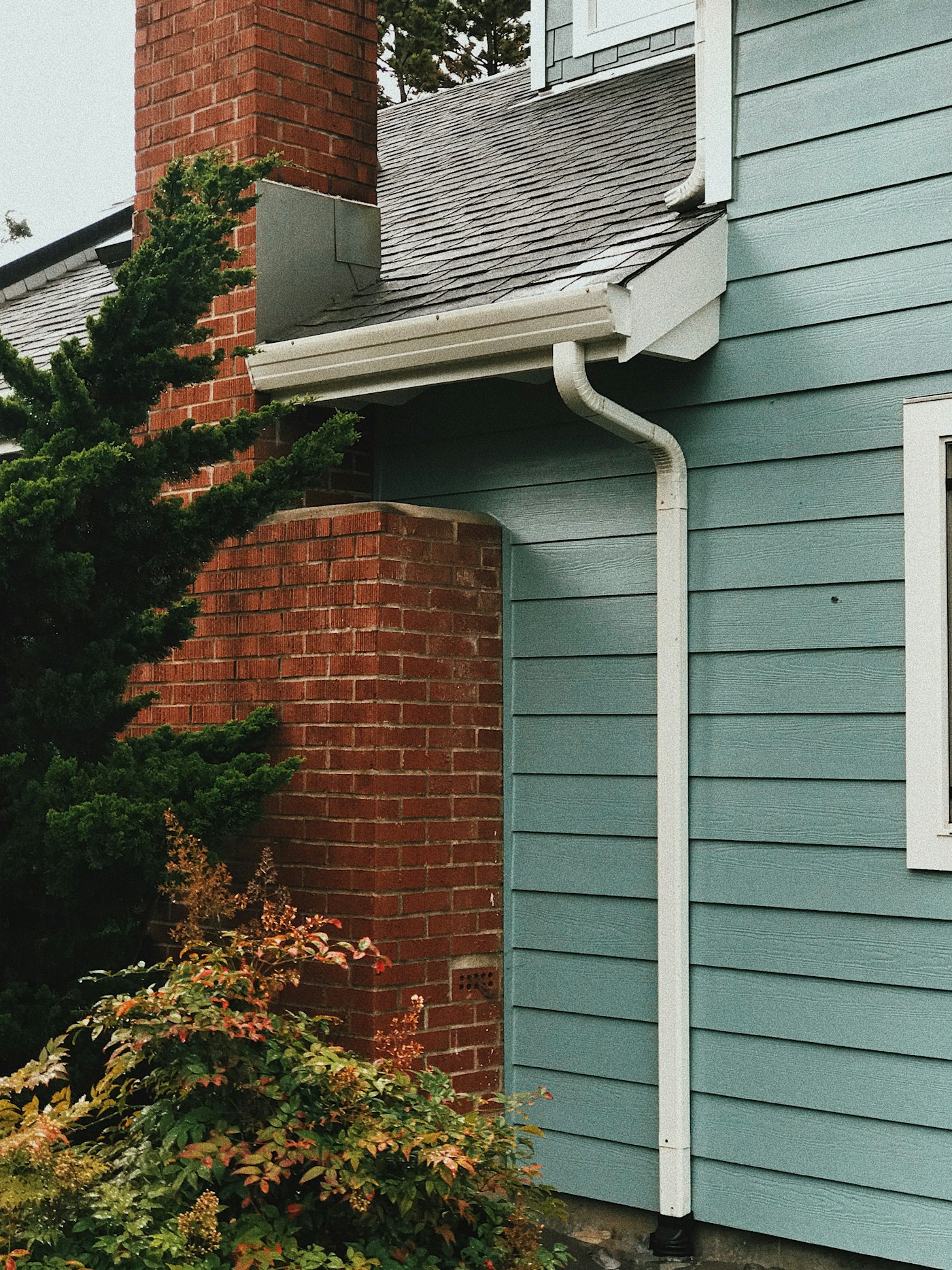
The problem was an incomplete route for roof water
The homeowner said a prior installer had missed an area. That meant the issue was not simply leaves inside an existing gutter. Part of the roof needed a deliberate path to collect and carry water away, and that path had never been completed.
Riley added a diverter, gutter, and downspout to the overlooked area. Those three components describe a connected solution: guide runoff toward a channel, collect it at the roof edge, and move it down toward an appropriate discharge point. The review does not describe the earlier symptoms, so we cannot claim a leak or specific damage. We can say the missing drainage section was finally addressed.
The new work had to connect with the old system
Adding one gutter section can look like a small job, but its performance depends on the details around it. The diverter has to send water where intended. The gutter needs suitable slope and support. The downspout needs enough capacity and a discharge route that does not create a new problem at ground level.
This is why the review's mention of an on-site assessment matters. Mark and Riley did not treat the missing section as an isolated piece of metal. The homeowner described clear communication and plans to use the company again, suggesting the proposed fix made sense within the larger property.
Cleaning the entire drainage system completed the visit
While Riley handled the new components, Mark thoroughly cleaned the existing gutter and drainage system. That pairing was sensible. New hardware would not solve restricted flow elsewhere, and a clean existing system would still leave the overlooked roof area unmanaged.
Together, the installation and cleaning closed both gaps: the route that was missing and the maintenance the rest of the route required. Homeowners often experience these as separate tasks because companies specialize in only cleaning or only installation. Gutters by Ruby's broader scope allowed the property to be considered in one visit.
What I would ask when an installer missed an area
I would show the company what happens during rain, including any concentrated stream from a roof valley, staining, erosion, or splash near the wall. I would ask why a diverter is recommended, how the new gutter will be pitched and supported, and exactly where the downspout will release water.
I would also ask whether the estimate includes cleaning and testing the connected system. The useful outcome in this review was not simply that three new parts appeared on the house. It was that Gutters by Ruby addressed the omitted roof area while also cleaning the drainage already in place, leaving fewer unknowns before the next rain.
What to carry into your own quote request
- ✓Gutters by Ruby added a diverter, gutter, and downspout to an area missed by a previous installer.
- ✓The company also cleaned the existing gutter and drainage system during the project.
- ✓A new downspout should be evaluated through its final discharge point, not only at the roof edge.
- ✓Cleaning and installation in one visit addressed both an incomplete drainage route and existing maintenance needs.
Questions answered
Common questions about this topic
What does a roof diverter do?
A diverter redirects runoff toward a desired collection point. Its suitability depends on roof geometry, water volume, roofing material, and how the receiving gutter and downspout are configured.
Can a new gutter be added to only one part of a house?
Yes, if that roof area needs collection and the new section has proper support, slope, capacity, and discharge. The contractor should explain how it fits the property's overall drainage path.
Why clean existing gutters when installing a new section?
A new section cannot improve flow through an existing blockage. Cleaning and checking the connected system helps ensure the added route does not feed water into a restricted one.
Where should a new downspout discharge?
It should release water through an appropriate surface or drainage route away from vulnerable parts of the structure. The correct solution depends on grading, local conditions, and any connected drainage infrastructure.